

Health Benefits of Eating Fish Regularly
Discover the health benefits of eating fish regularly, from omega-3s and protein to heart, brain, eye, and skin support.

Health Benefits of Eating Fish Regularly
Fish is one of the most nutritious foods you can add to a healthy diet. It is rich in high-quality protein, omega-3 fatty acids, vitamins, and minerals that support the heart, brain, eyes, muscles, and immune system. For health-conscious individuals, fitness enthusiasts, and families, eating fish regularly can be a simple and effective way to improve overall well-being.
In many cultures, fish have long been valued as a staple food because it is both light and nutrient-dense. Unlike many processed protein sources, fish provides essential nutrients with relatively few calories, making it a smart choice for balanced nutrition. When included as part of a healthy diet, fish can help support long-term health at every stage of life.
Rich Source of High-Quality Protein

Fish is an excellent source of complete protein, which means it contains all the essential amino acids your body needs. These amino acids are the building blocks of muscles, tissues, enzymes, and hormones. Because of this, fish nutrition is highly valued for people who want to stay strong and active.
Protein from fish supports muscle growth and repair, especially after exercise. It also helps the body heal from injury and maintain healthy skin, hair, and nails. For children, adults, and older people alike, eating enough protein is important for daily function and overall strength.
Another advantage is that fish protein is easy to digest for many people. This makes fish a practical option for those who want a lighter meal without sacrificing nutritional value. If you are looking for a protein-rich food that fits into a healthy diet, fish is one of the best choices available.
Loaded with Omega-3 Fatty Acids

One of the biggest health benefits of fish is its omega-3 fatty acid content. Fatty fish such as salmon, sardines, and mackerel are especially rich in EPA and DHA, two important types of omega-3s. These fats are essential because the body cannot make enough of them on its own.
EPA and DHA play a major role in heart, brain, and eye health. They help support normal cell function and are known for their anti-inflammatory properties. That is why omega-3 fatty acids are often highlighted in discussions about the benefits of eating fish regularly.
These healthy fats are also important for people who do not consume enough seafood in their diet. Since omega-3s are not found in many everyday foods in high amounts, fish offer a natural and effective way to increase intake. This makes fish nutrition especially valuable for people who care about long-term wellness
Supports Heart Health

Fish is widely known for its heart-friendly qualities. Regular fish consumption has been linked to a lower risk of heart disease, partly because of its omega-3 fatty acids. These nutrients may help support healthy blood vessels, reduce triglyceride levels, and improve overall cardiovascular function.
Fish may also help maintain healthy blood pressure as part of a balanced eating pattern. Replacing highly processed or fried foods with grilled or baked fish can be a smart move for heart health. The healthy diet benefits of fish become even stronger when it is paired with vegetables, whole grains, and healthy fats.
Another reason fish supports the heart is that it can be a lean protein source with less saturated fat than many red meats. This makes it a helpful choice for people who want to protect their cardiovascular health while still enjoying satisfying meals. For many people, eating fish regularly is one of the easiest ways to support heart wellness.
Boosts Brain Function and Memory

The brain depends on healthy fats and nutrients to work properly, and fish provides several of them. DHA, in particular, is a major structural component of the brain. That is why fish nutrition is often associated with cognitive support, memory, and focus.
Eating fish regularly may help support brain function in both children and older adults. For children, nutrients in fish contribute to normal brain development and learning. For older adults, fish may support memory and help maintain cognitive performance over time.
Many people include fish in their healthy diet because they want to stay mentally sharp. While no food can guarantee perfect brain health, fish is one of the most science-backed foods for supporting the nervous system. That makes it a strong choice for families and individuals who want long-term wellness.
Improves Eye Health

Fish can also support eye health, mainly because of DHA and other omega-3 fatty acids. The eyes, like the brain, need healthy fats to function properly. Regular fish intake may help maintain vision and support the tissues in the retina.
This matters for both children and adults. In children, healthy vision supports learning and development. In adults, eye health becomes increasingly important with age, especially when screen time and lifestyle stress can strain the eyes.
Including fish in a healthy diet is one simple way to give your eyes useful nutrients. While fish is not a cure for eye problems, its nutritional profile can play an important role in long-term eye wellness. That is one more reason the health benefits of fish go beyond basic protein.
Strengthens the Immune System
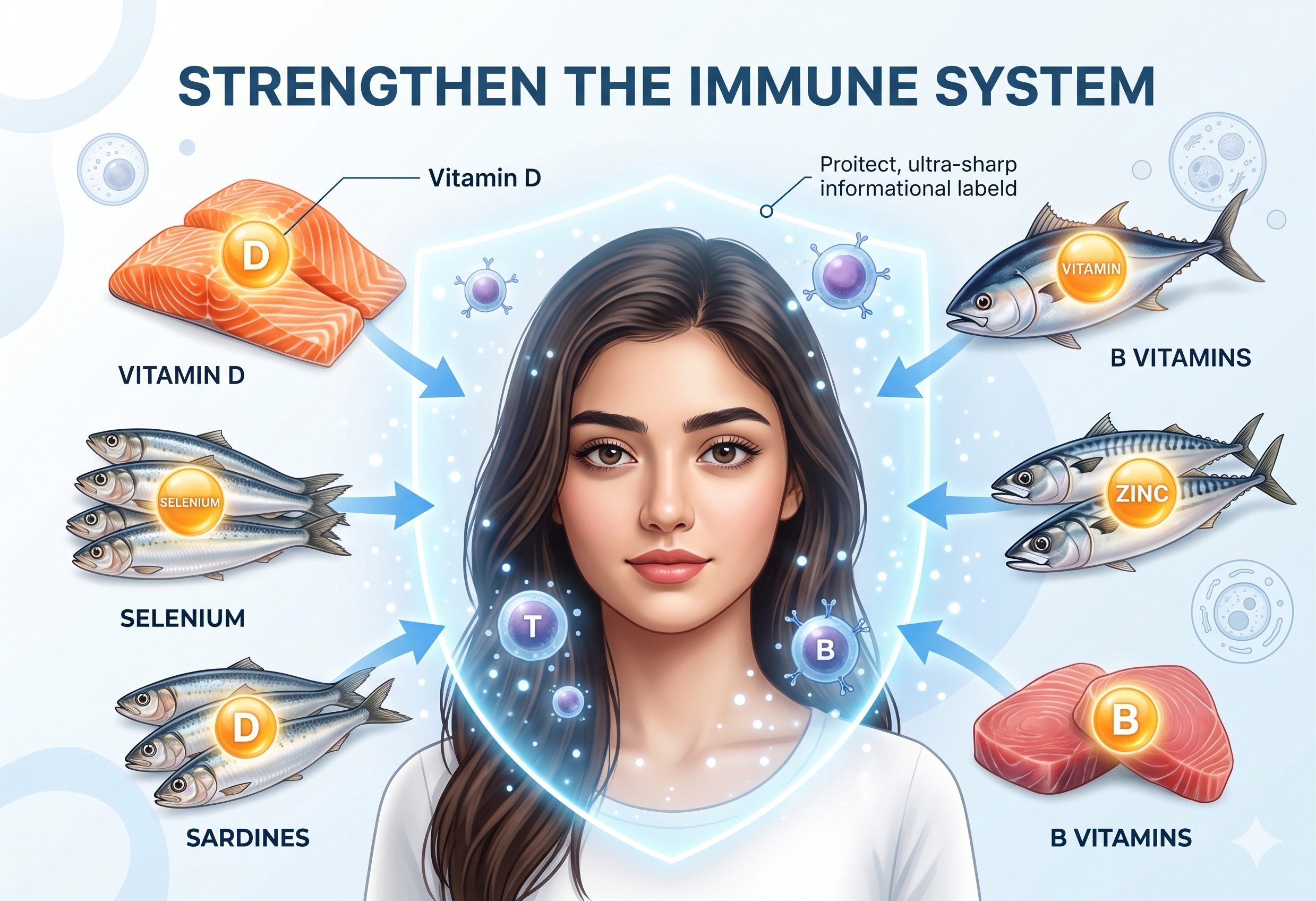
Fish contain several nutrients that support immune function, including vitamin D, selenium, zinc, and B vitamins, depending on the type of fish. These nutrients help the body maintain normal defences and support cellular health. A strong immune system is essential for daily resilience and recovery.
Vitamin D is especially important because many people do not get enough of it from food alone. Some fish are naturally rich in vitamin D, which makes them a valuable part of a healthy diet. Selenium also helps protect cells from damage and supports a normal immune response.
When you combine fish with a balanced eating pattern, you give your body a wider range of nutrients needed for general wellness. The benefits of eating fish regularly are not only about one vitamin or mineral; they come from the overall nutrient density of the food. This makes fish a practical choice for families looking to strengthen their daily nutrition.
Supports Healthy Pregnancy

Fish can be especially beneficial during pregnancy when eaten safely and in moderation. DHA is important for the development of the baby’s brain and eyes. That is why many nutrition experts recommend seafood as part of a healthy diet for pregnant women, while also advising careful fish selection.
Choosing low-mercury fish and preparing it properly are important steps. Pregnant women should avoid raw fish and follow trusted food safety guidance. When selected wisely, fish can contribute valuable protein and nutrients that support fetal growth and development.
This is one of the key health benefits of fish that makes it valuable for families planning for the future. Nutrient-rich seafood can support both maternal health and baby development. For this reason, fish nutrition plays an important role in prenatal eating plans.
Helps Maintain Healthy Weight

Fish can be a useful food for people trying to maintain or lose weight. It is filling, protein-rich, and often lower in calories than many heavier meat dishes. Because protein helps with satiety, eating fish can help you feel full for longer and reduce unnecessary snacking.
Some fish are naturally lean, while fatty fish provide healthy fats that support satisfaction and balanced nutrition. When cooked in healthy ways like grilling, steaming, or baking, fish fits well into a healthy diet. It can be paired with vegetables and whole grains for a complete meal that is both nourishing and satisfying.
For fitness enthusiasts, fish is also a strong post-workout food because it supplies protein for recovery without being overly heavy. The benefits of eating fish regularly, therefore, extend beyond general wellness into weight management and performance support. It is a flexible food that works in many meal plans.
Promotes Healthy Skin and Hair

The nutrients in fish can support the appearance of skin and hair as part of overall health. Omega-3 fatty acids help maintain moisture and may support skin barrier function. Protein also helps the body build and repair tissues, including hair and skin cells.
Vitamins and minerals found in fish, such as vitamin D, selenium, and B vitamins, contribute to healthy body function. While fish is not a beauty treatment, it supports the internal nutrition needed for healthy-looking skin and hair. Many people notice that a well-balanced diet makes a visible difference over time.
Including fish in your healthy diet can be a simple step toward better overall nourishment. Since appearance often reflects internal health, the health benefits of fish may show up in more ways than one. That is one reason fish nutrition is valued in both wellness and beauty-focused eating plans.
May Reduce Inflammation
Chronic inflammation is linked to many long-term health problems, including heart disease and certain joint issues. Omega-3 fatty acids in fish may help the body manage inflammation more effectively. This is one of the most important benefits of eating fish regularly.
EPA and DHA are studied for their potential role in helping balance inflammatory responses in the body. While fish is not a medicine, it can be part of a dietary pattern that supports healthier inflammation levels. This is especially useful for people with active lifestyles, high stress, or ongoing wellness goals.
A healthy diet that includes fish, vegetables, fruits, and whole grains can create a strong nutritional foundation. When fish replaces highly processed foods, the overall effect on the body can be positive. That makes fish one of the smartest foods for long-term wellness.
Best Fish to Include in Your Diet
Here is a simple table showing some of the best fish for health and their major nutritional benefits:
Fish | Major Nutrients | Health Benefits |
Salmon | Omega-3 fatty acids, protein, vitamin D, B vitamins | Supports heart, brain, and eye health |
Rohu | Protein, healthy fats, minerals | Good for muscle support and balanced nutrition |
Catla | Protein, phosphorus, selenium | Supports growth, bone health, and energy |
Sardines | Omega-3s, calcium, vitamin D, protein | Excellent for heart, bones, and immunity |
Mackerel | Omega-3s, vitamin B12, selenium | Helps support brain, heart, and inflammation control |
Tuna | Protein, B vitamins, selenium | Useful for muscle repair and energy metabolism |
Salmon, sardines, and mackerel are especially rich in omega-3 fatty acids, which makes them stand out for heart and brain support. Rohu and catla are popular choices in many households and can still be valuable parts of a healthy diet. Tuna is another convenient option, though it is best to choose varieties and portions carefully.
How Often Should You Eat Fish?
For most healthy adults, eating fish 2 times per week is a practical and widely recommended approach. This allows you to enjoy the benefits of eating fish regularly while still maintaining variety in your diet. A mix of lean fish and fatty fish can give you a broader range of nutrients.
Moderation matters because different fish contain different levels of mercury and other compounds. It is best to rotate your choices and avoid relying on one type of fish all the time. Families should especially pay attention to safe fish choices for children and pregnant women.
The best approach is to include fish as part of a balanced, healthy diet, not as the only protein source. Pair it with vegetables, legumes, whole grains, and fruits to get a complete nutritional profile. That way, fish becomes part of a sustainable long-term eating pattern.
Tips for Choosing and Cooking Fish
Choosing fresh fish is important for both flavor and safety. Fresh fish should have clear eyes, firm flesh, and a clean smell rather than a strong fishy odor. If you are buying frozen fish, make sure the packaging is sealed properly and kept cold.
Safe storage also matters. Fresh fish should be refrigerated promptly and used within a short time, while frozen fish should be stored at the right temperature until needed. Good food handling helps preserve fish nutrition and reduces the risk of spoilage.
Healthy cooking methods include grilling, baking, steaming, and poaching. These methods keep fish light and avoid unnecessary oil. Try to limit deep-frying, which can add extra calories and reduce the health benefits of fish. Simple seasoning with herbs, lemon, garlic, and spices is often the best choice.
Frequently Asked Questions
Is eating fish every day healthy?
Eating fish every day is not usually necessary for most people. Two to three servings per week is enough for many adults, depending on the type of fish and the rest of the diet.
What is the best fish for health?
Fatty fish like salmon, sardines, and mackerel are among the best fish for health because they are rich in omega-3 fatty acids. Lean fish like tuna and rohu are also good protein sources.
Can fish help with weight loss?
Yes, fish can support weight management because it is high in protein and often lower in calories than other meats. It also helps you feel full for longer.
Is fish good for children?
Yes, fish can be very good for children when prepared safely and served in age-appropriate portions. It provides protein and nutrients that support growth and development.
Does fish improve brain health?
Fish may support brain health because it contains DHA and EPA, which are important omega-3 fatty acids. These nutrients are linked to normal brain function and memory support.
Conclusion
The health benefits of fish make it one of the most valuable foods you can eat regularly. It provides high-quality protein, omega-3 fatty acids, vitamins, and minerals that support the heart, brain, eyes, immune system, and more. When included in a healthy diet, fish can help people of all ages feel stronger and more energised.
Whether you choose salmon, rohu, catla, sardines, mackerel, or tuna, adding fish to your weekly meals is a simple way to improve nutrition. Focus on fresh, safe, and lightly cooked preparations to get the most from each serving. Over time, small choices like eating fish regularly can make a meaningful difference in your long-term health.
Call to action: Start by adding fish to your meal plan this week and choose healthier cooking methods that preserve its nutrition and flavour.


